Karigasniemi and Kaamanen – Crossroads of Northern Lapland
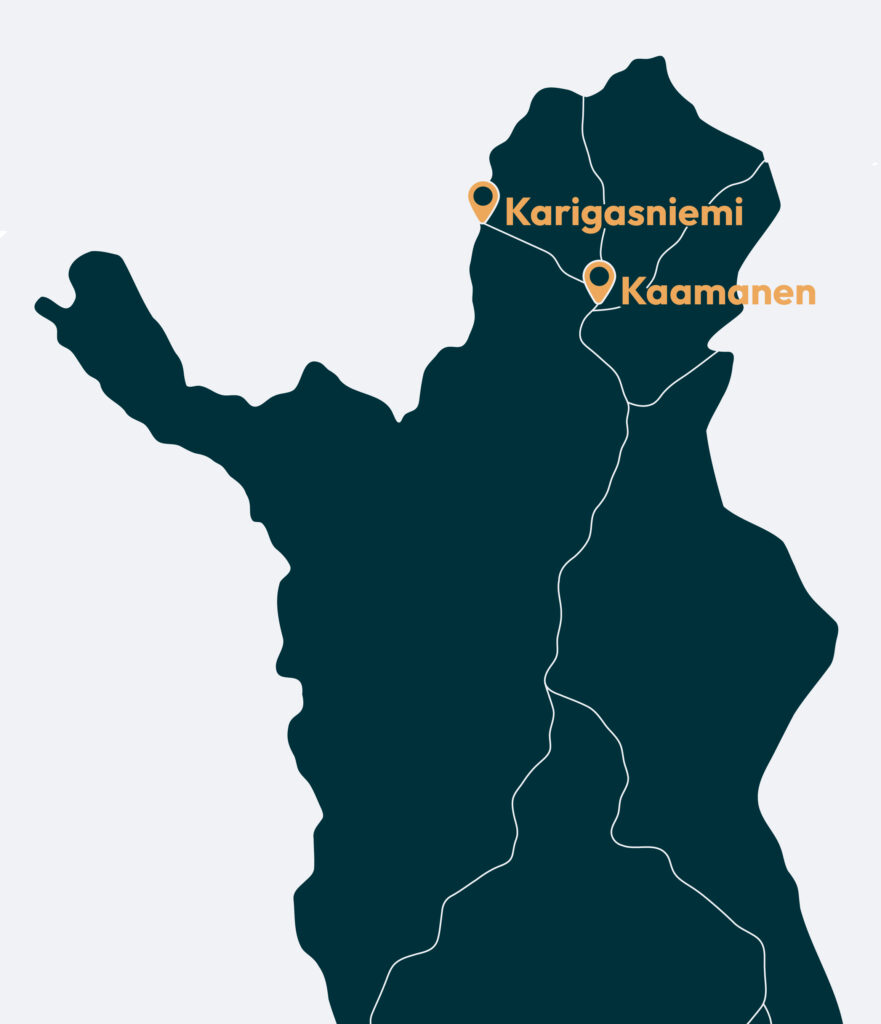
Karigasniemi and Kaamanen are northern villages where roads, rivers and cultures meet. Kaamanen is a traditional crossroads north of Inari, with routes leading towards Utsjoki, Karigasniemi, Sevettijärvi, Näätämö, Inari and Ivalo. Karigasniemi lies near the Norwegian border, close to Karasjok and the River Teno. Together, the villages offer a base for river landscapes, Sámi culture, fishing, hiking, birdwatching and road trips towards Norway and the Arctic Ocean.
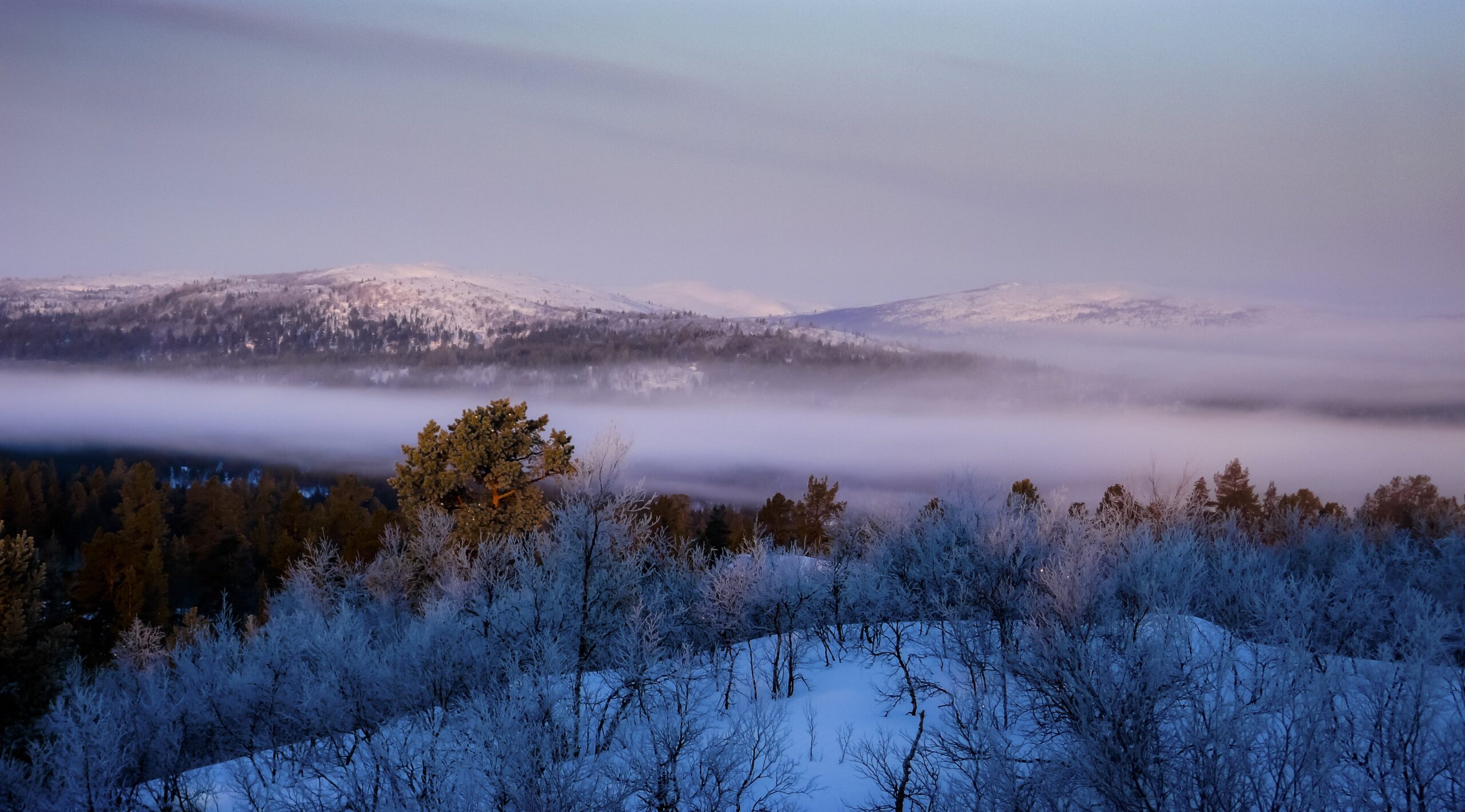
Travel tips for Karigasniemi and Kaamanen
Stay in lodges, guesthouses or cabins close to rivers, roads and nature areas.
Must-sees include Route Teno, Kevo, Muotkatunturi, Paistunturi, Vuopajanvaara and the Kaamasjoki birdwatching tower.
Popular experiences include hiking, fishing, birdwatching, photography, wilderness tours and cross-border trips to Norway.
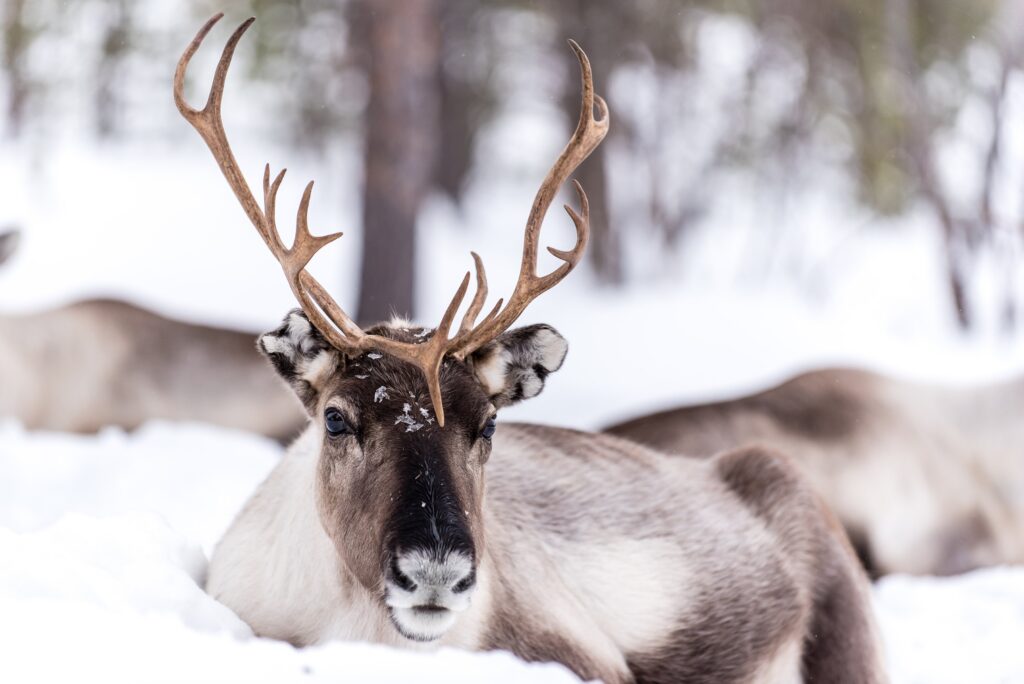
Kaamanen has long been a gathering place for travellers, Sámi families and reindeer herders. With only 200 inhabitants, the village lives from reindeer herding and services linked to the travel industry. Its Northern Sámi name gámas refers to a specific part of reindeer hide — a reminder of the deep cultural roots of the area.
Karigasniemi sits near the meeting point of the Inari, Teno and Karas rivers — forming a natural borderland between Finland and Norway. As a lively border village, it provides a wide range of services for travellers heading toward the Arctic Ocean, Porsangerfjord or North Cape.
Read more about Sámi culture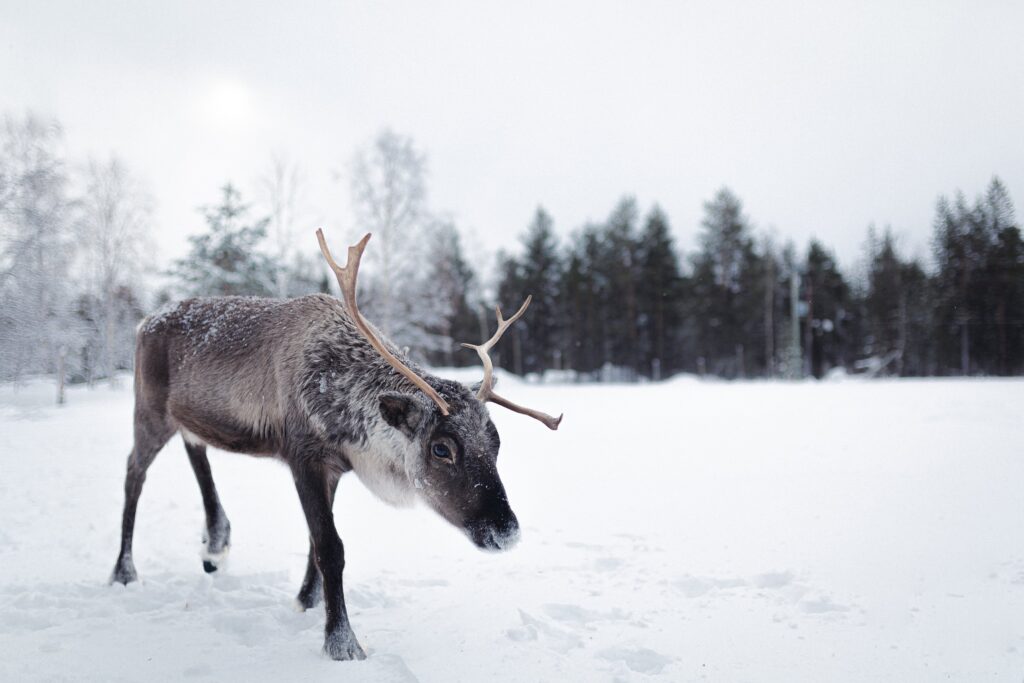

The Most Beautiful Road in Finland
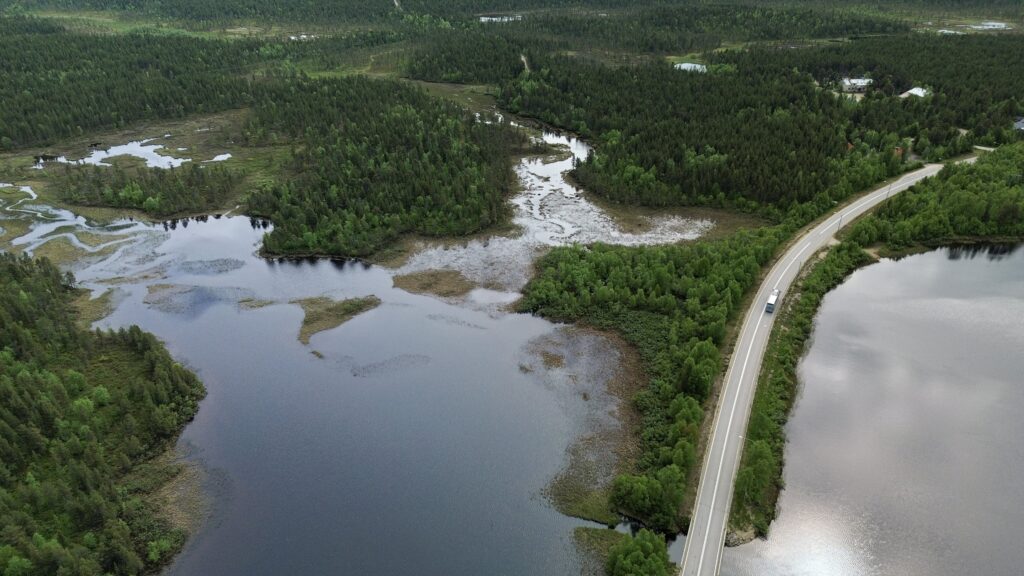
Route 970, often called Route Teno, follows the River Teno for nearly 100 km from Karigasniemi to Utsjoki and onward to Nuorgam.
This breathtaking drive winds along riverbanks, past fells and wide-open valleys. Nowhere else in Finland can you experience a road journey quite like this: intimate, wild and endlessly scenic.
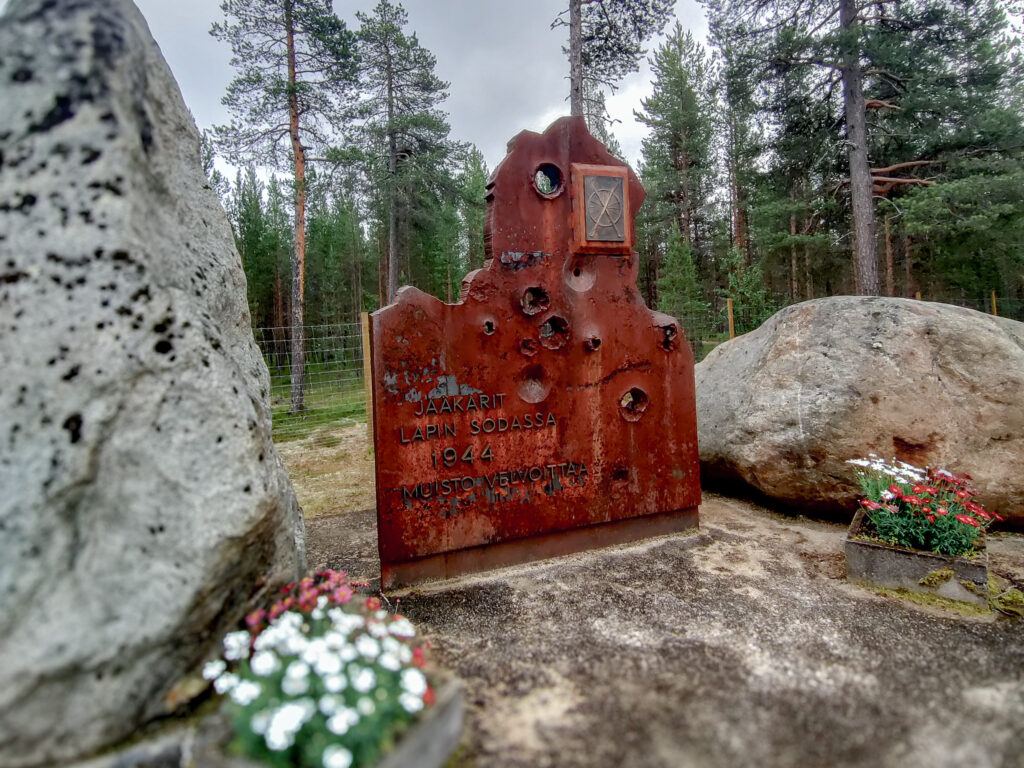
Lapland War Memorial
The memorial to the Armoured Division’s Jaeger Brigade is located alongside Highway 4, just over one kilometre south of the Kaamanen junction, where Highway 4 meets Regional Road 92.
The memorial was erected in 1984 to honour the veterans of the Armoured Division’s Jaeger Brigade. It stands on the edge of a German airfield that was destroyed during the Second World War.
The memorial marks the location from which a Finnish patrol set out to verify whether the German forces had withdrawn from within Finland’s borders. During the Second World War, Kaamanen was home to a major German military logistics centre.
Hiking in Kaamanen and Karigasniemi

Paistunturi Wilderness Area
Covering 1,500 square kilometres between Kaamanen, Karigasniemi and Utsjoki, Paistunturi is one of Lapland’s great open wilderness regions.
Rounded fell tops, extensive mires and deep valleys create a landscape of rounded fells, mires and valleys. On clear days, you can see all the way to Norway’s distant mountains.
Trails here are partly marked, partly traditional local routes used by reindeer herders, hunters and fishermen. While suited only for experienced trekkers, guided day trips make it possible for more visitors.
Read more about Paistunturi
Kevo Strict Nature Reserve
The Kevo Strict Nature Reserve is one of Finland’s most dramatic natural areas. At its heart is a 40 km canyon up to 80 metres deep, carved by the River Kevo. The surrounding landscape consists of fell uplands, ravines and tundra-like mires.
The reserve offers:
- two demanding hiking routes (63 km and 86 km)
- a gentle nature trail at Sulaoja (2 km)
- protected habitats for rare bird species
Access is only allowed on marked trails, preserving its raw and rugged character.
A gentle 2 km nature trail leads visitors to Sulaoja spring and through the surrounding forest. For centuries, Sámi people believed Sulaoja’s crystal-clear water had healing powers. Sulaoja is also Finland’s largest natural spring by water volume.
Read more about Kevo
Muotkatunturi Wilderness Area
Muotkatunturi is wilderness area with no marked trails, only rolling fells, clear rivers and a handful of wilderness huts. The area is ideal for experienced hikers seeking solitude, but guided adventures are available year-round through local companies.
Highlights include:
- the serene Lake Peltojärvi
- wide-open fjell landscapes
- quiet rivers perfect for photography and quiet exploration
Vuopajanvaara
Vuopajanvaara in Kaamanen features a two-kilometre nature trail that makes an easy day-trip destination. The trail takes its name from a more than 600-year-old ancient pine tree standing along the route.
The trail winds through striking northern pine forest, from the shore of Lake Vastusjärvi up to a viewpoint on a nearby hill and then back down to the starting point. Parts of the trail are covered with duckboards.
Information boards along the route introduce visitors to the area’s pine trees and landscapes in both Finnish and English.
The Aihkipolku Trail starts at the Vastusjärvi rest area, where toilets are also available for visitors. The nature trail is an excellent destination for a short excursion or a full-day outing, whether for locals, residents of nearby areas or travellers.
Kaamasjoki Estuary Birdwatching Tower
The Kaamasjoki Estuary Birdwatching Tower is the northernmost birdwatching tower in Finland. It is 12 metres high.
The tower stands in a central location at the mouth of the River Kaamasjoki, beside a bird nesting area. It offers views across the entire river estuary and bird wetlands, rising above the treetops and providing excellent opportunities for birdwatching, especially during migration seasons.
More than 70 bird species have been recorded in the area. The River Kaamasjoki begins in the Muotkatunturi wilderness area and flows through Lake Muddusjärvi into the River Kettujoki, from where the waters continue towards Lake Inarijärvi.

Ailigas Fells
Utsjoki is home to three fells named Ailigas, each with its own presence:
- Karigasniemi Ailigas (620 m) – the highest, rising where the Inari River becomes the Teno
- Nuvvus-Ailigas (535 m) – towering straight from the riverbank in Nuvvus village
- Utsjoki Ailigas (342 m) – overlooking the village, and the only one with road access to the top
All three have unmarked trails and offer spectacular views over the Teno River valley and far into Norway.